
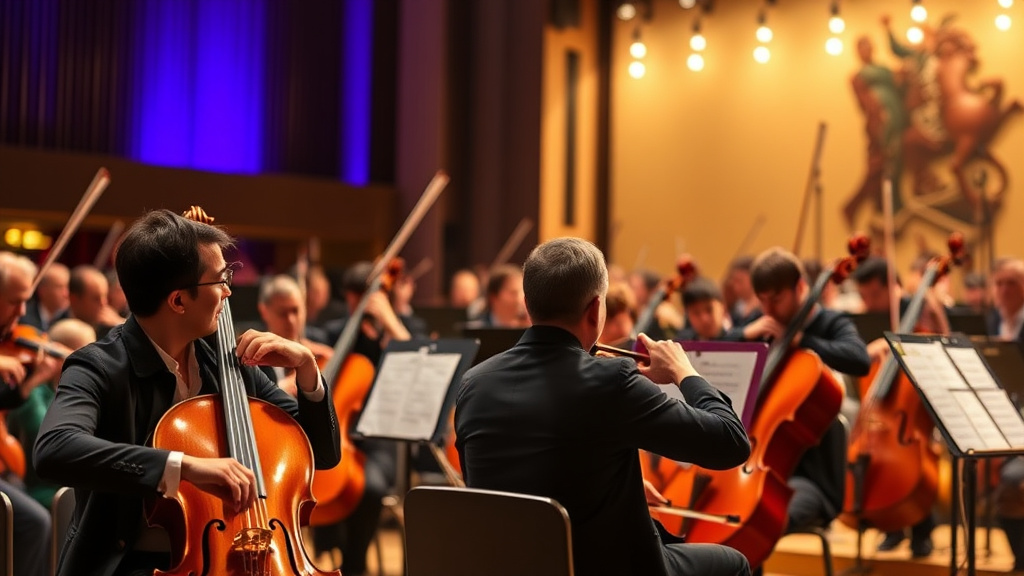
The classical music world is experiencing a digital revolution. As concert halls across the globe navigated unprecedented challenges, orchestras found a powerful new frontier: broadcasting concerts to millions of listeners globally. This shift has democratized access to premier orchestral works, allowing music lovers in remote villages and bustling cities alike to experience concerts performed by orchestras from their homes. Explore how classical institutions are using digital tools to broaden their audience, engage younger audiences, and redefine what it means to attend a concert in the modern era.
The Digital Revolution in Traditional Music
The classical music industry has gone through major transformation in recent years, fueled by technological advancement and evolving audience expectations. Concert halls that once relied solely on ticket sales have found the tremendous possibilities of streaming technologies. This shift represents a major transformation in how orchestras connect with audiences, breaking down geographical barriers and rendering symphonic performances accessible to anyone with an internet connection. The transition has proven that classical music flourishes in digital spaces, tapping into demographics previously untapped by traditional concert venues.
Streaming platforms have evolved into crucial distribution channels for prominent orchestras worldwide. Organizations like the Berlin Phil, New York Philharmonic, and London Symphony Orchestra now provide vast streaming collections of performances. These platforms offer premium multimedia content, regularly outpacing the sensation of watching concert hall events. Audiences can watch rehearsals, explore behind-the-scenes content, and experience performances from distinguished performers and conductors. The convenience factor has created significant change, enabling devoted classical audiences to develop custom music selections suited to their musical interests and time constraints.
The financial implications of online performances have reshaped orchestra business models substantially. Subscription services produce recurring revenue streams that offer financial security during unpredictable periods. Orchestras have diversified income sources through virtual ticket sales, exclusive content offerings, and corporate sponsorships tied to streaming initiatives. This financial flexibility allows institutions to allocate resources toward improved production standards and artist compensation. The digital landscape has opened doors for smaller regional orchestras to compete with prestigious institutions, expanding access to the classical music industry and fostering innovation across the sector.
Technology infrastructure enabling digital concerts has advanced remarkably, enabling professional-grade streaming from performance venues worldwide. Premium video equipment, sophisticated audio equipment, and reliable internet connectivity ensure audiences receive flawless presentations. Technical crews work precisely to preserve the vitality and detail of live orchestral music, translating the concert hall experience into streaming content. Investment in technical excellence demonstrates orchestras’ dedication to delivering authentic experiences through streaming services. These advances have increased listener demands and established new standards for streamed classical performances globally.
Audience engagement metrics reveal the significant impact of online performances on symphonic consumption patterns. Younger audiences, historically absent at concert halls, now constitute significant portions of online listeners. Engagement tools including real-time messaging, virtual meet-and-greets with musicians, and educational content enhance audience involvement and connection. Social platform connectivity amplifies reach, enabling shows to go viral and attract general audiences new to symphonic repertoire. Data show that online performances successfully introduce fresh listeners to symphonic repertoire, creating opportunities for in-person venue visits and long-term fan loyalty.
The worldwide reach of digital orchestra broadcasts has surpassed cultural and linguistic boundaries remarkably. Orchestras stream performances concurrently throughout multiple time zones, serving international audiences and providing availability regardless of geographic location. Subtitles and multilingual program notes improve understanding for non-native speakers. This broad availability has built genuine worldwide groups of classical music lovers who link through shared digital experiences. The limitless reach of digital distribution has positioned classical music as a authentically international cultural expression, uniting listeners across continents in regard for symphonic excellence and artistic mastery.
Increasing Accessibility and Audience Scope
Digital concerts have fundamentally changed how classical music connects with audiences worldwide. By removing the constraints of physical venue capacity, orchestras now serve millions of listeners simultaneously across continents. This digital transformation has proven particularly valuable for individuals with mobility challenges, budget constraints, or remote locations who previously had limited access to live performances. The increased accessibility of classical music through digital platforms ensures that skill and dedication, rather than geographic location or income, determine who experiences premier orchestral performances.
The economic implications of digital concert expansion extend beyond simple reach measurements. Orchestras have identified sustainable revenue streams through subscription models, individual viewing fees, and sponsored virtual performances. These platforms allow orchestras to preserve musical quality while lowering expenses associated with conventional concert hall operations. Furthermore, online performances create opportunities for creative content, audience participation tools, and personalized viewing experiences that enhance audience engagement and build stronger relationships between musicians and audiences globally.
Breaking Through Geographic Barriers
Geographic limitations no longer constrain appreciation of classical music. Online platforms facilitate real-time transmission to people in different regions, surpassing conventional limits that traditionally restricted concert attendance to people able to travel. Underserved regions, emerging economies, and isolated populations now can experience shows from world-renowned ensembles formerly offered solely to city dwellers. This geographic democratization has generated surprising cross-cultural dialogue and exposed classical music to diverse populations who might never encounter these experiences through conventional channels.
The elimination of geographic limitations has enhanced global musical communities. Musicians and audiences from diverse backgrounds now engage in collaborative creative experiences, fostering international appreciation for classical repertoire. Digital performances have allowed orchestras to create meaningful connections with emerging markets, build loyal international fan bases, and identify talented musicians from underexplored regions. This integrated environment has elevated the classical music sector while providing orchestras with remarkable potential for expansion and cultural impact worldwide.
- Stream concerts to more than 100 countries at the same time
- Enable rural communities to experience renowned orchestral performances
- Decrease transportation expenses for international orchestral fans
- Create opportunities for underrepresented audiences to witness symphonies
- Foster artistic connections across countries through collaborative performances
Obstacles and Emerging Possibilities
Operational and Technical Hurdles
Despite the promising growth of digital concerts, orchestras face significant technical challenges in maintaining broadcast quality while handling intricate budgeting demands. Sound engineering for streaming requires specialized equipment and expertise to capture the subtle sound qualities of live performances. Additionally, orchestras must address copyright issues, licensing agreements, and ensuring equitable compensation for musicians in the digital space. These operational complexities require substantial investment and production capabilities that smaller ensembles may find difficult to finance, potentially widening the gap between well-funded institutions and emerging orchestras.
Another significant challenge encompasses audience retention and engagement in the virtual environment. While streaming expands reach, establishing strong bonds between performers and virtual audiences proves challenging. The missing physical connection diminishes the emotional impact that live concert experiences conventionally deliver. Orchestras must develop innovative interactive features, such as behind-the-scenes content and virtual meet-and-greets, to build authentic community connections and promote repeated viewing among online audiences globally.
Growing Possibilities and Market Development
The future of classical music in digital formats presents compelling opportunities for orchestras committed to leveraging technological advancement. Emerging technologies like VR and AR technologies enable deeply engaging concert encounters that rival live concert experiences. Subscription-based streaming platforms dedicated to classical music are growing at a fast pace, developing sustainable revenue models for orchestras. Furthermore, virtual concert offerings allow orchestras to access untapped populations, such as less-developed areas and countryside populations, democratizing access to premier-quality concerts and building future classical music lovers worldwide.
Strategic partnerships between orchestras, technology companies, and streaming platforms will probably shape the industry’s direction. As production standards advance and costs decline, digital concerts will become progressively accessible to smaller ensembles. Educational initiatives employing digital platforms can present classical music to younger generation through engaging materials and educational offerings. The fusion of traditional artistry with cutting-edge technology positions classical orchestras to flourish in an progressively digital cultural landscape while preserving the timeless beauty of live orchestral performance.
