
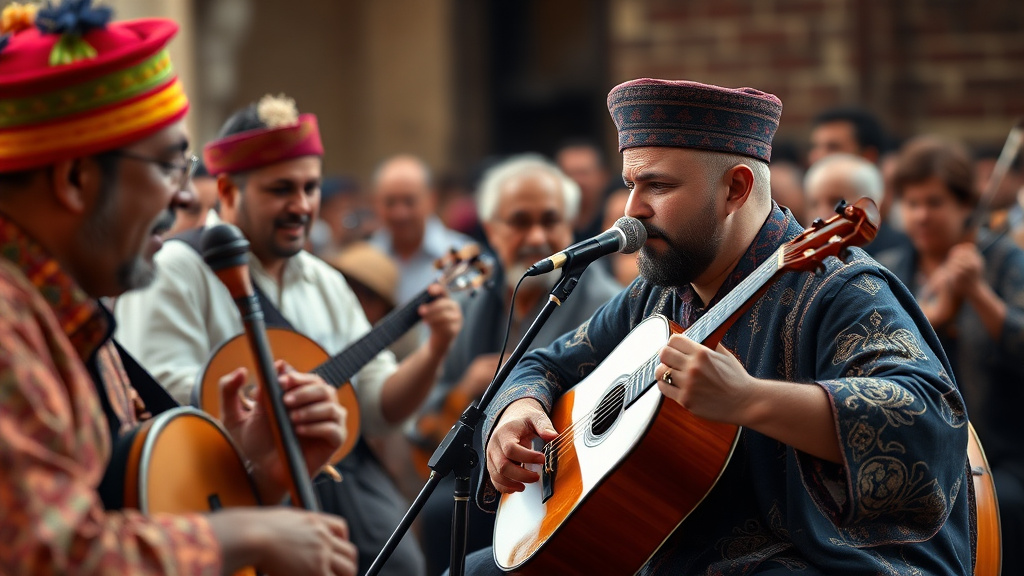
As globalization poses threats to linguistic diversity, traditional music festivals emerge as unexpected guardians of ancient languages. These dynamic cultural celebrations go beyond mere entertainment—they create immersive environments where endangered tongues thrive organically through community participation. By weaving language learning into performances, workshops, and intergenerational gatherings, festivals convert cultural preservation into an engaging, joyful experience. This article investigates how music festivals worldwide are restoring forgotten dialects and endangered languages, proving that the most successful preservation approaches celebrate heritage while building stronger communities.
The Importance of Musical Events in Language Preservation
Traditional music celebrations serve as active spaces where ancient languages flourish through true cultural practices. These occasions create engaging language settings where heritage speakers perform traditional songs, stories, and oral histories in their ancestral tongues. By attracting diverse audiences and encouraging active participation, festivals make language use commonplace beyond academic settings. The collective setting transforms language learning from a formal obligation into a natural, organic process. Attendees acquire language elements and cultural understanding while experiencing the emotional resonance of traditional music, creating impactful learning opportunities that formal education often cannot replicate.
Community participation programs woven into music festivals strengthen their protective influence significantly. Training programs, collaborative singing, and guidance initiatives empower younger generations to learn directly from fluent speakers and tradition bearers. These engaging programs bridge generational gaps, guaranteeing information transfer happens within genuine community settings. Festivals also document endangered languages through audio archives and written materials, creating permanent archives for future scholars. By recognizing linguistic heritage as a living, evolving tradition rather than a museum artifact, festivals cultivate pride in cultural identity and motivate sustained language maintenance within communities into the future.
Citizen Participation Models and Driving Results
Time-honored music festivals utilize varied engagement approaches that convert passive audiences into engaged language students and cultural guardians. These inclusive approaches generate multiple entry points for community individuals of varying ages and linguistic backgrounds. By integrating performance, workshop, and mentorship opportunities, festivals generate sustainable engagement that extends beyond one-time occasions. Participants cultivate real ties to traditional languages through substantive cultural engagement rather than formal classroom instruction. This grassroots learning context proves especially successful for language preservation, as participants form emotional investments in their language heritage while contributing to wider community renewal initiatives.
Young People Engagement Programs
Festival organizers develop youth-focused initiatives that expose young people to heritage languages through learning via music. Interactive workshops, mentoring relationships, and chances to perform allow youth to strengthen language competencies while building cultural pride. Online technology increases accessibility, with digital marketing efforts and web-based lessons expanding audience access past traditional settings. Young participants act as representatives, sharing learned language elements with friends and family members. These initiatives confront the critical intergenerational gap that threatens language continuity, positioning youth as key participants in conservation work.
Youth-focused festival programs demonstrate impressive retention rates when integrated with sustained community support systems. Participants share increased confidence in language use and richer cultural awareness following immersive festival programs. Many young attendees advance to leadership roles, eventually taking on positions as instructors and cultural advocates themselves. Financial aid programs and performance rewards further encourage sustained participation. By honoring youth involvement and establishing clear pathways for cultural leadership, festivals foster long-term commitment to language preservation among demographic groups often removed from traditional practices.
Elder Wisdom Transfer Programs
Workshops led by elders form the cornerstone of genuine language learning at traditional music festivals. Knowledgeable presenters and musical performers impart linguistic nuances, cultural backgrounds, and cultural importance that books cannot capture. These intergenerational dialogues honor elder expertise while creating safe spaces for language practice and cultural narratives. Participants have access to native speakers’ genuine pronunciation, informal language, and cultural practices woven into linguistic systems. Festival platforms provide meaningful opportunities for elders to participate meaningfully to community engagement, reducing loneliness while fulfilling their cultural positions as knowledge keepers.
Structured mentorship programs match elders with committed students across festival seasons and into the future. Regular one-on-one sessions enable personalized instruction designed around individual learning styles and linguistic goals. Recorded sessions preserve elder teachings for future generations while establishing important historical records. Recognition ceremonies honor the contributions of elders, strengthening community bonds and validating the irreplaceable value of their expertise. These extensive initiatives guarantee that linguistic knowledge, cultural heritage, and speaking proficiency pass effectively to the next generation, protecting language survival while honoring those who preserved customs through challenging historical periods.
Success Stories and Cultural Impact
The Sami Parliament’s yearly musical celebration in northern Scandinavia has reinvigorated the Sami language among young people formerly estranged from their heritage. Since implementing grassroots engagement initiatives in 2015, enrollment in Sami language classes increased by 67 percent. Festival attendees describe stronger sense of cultural identity and deeper family connections through collective music-making. Young performers now actively use the language in daily conversations, demonstrating that festivals create enduring shifts in language use beyond ceremonial contexts.
In Mexico, the Oaxaca Indigenous Music Festival has played a crucial role in preserving Zapotec and Mixtec languages in danger of disappearing. Over five years, the festival captured and archived over 200 traditional songs, building significant cultural records. Community members serving as cultural representatives now teach language workshops in schools and public spaces. The festival’s success sparked comparable programs across twelve Mexican states, jointly serving thousands of language learners and establishing sustainable preservation networks.
Australia’s Aboriginal language festivals demonstrate measurable outcomes in cross-generational learning and social unity. Participants describe more meaningful bonds to traditional practices and heightened comfort communicating endangered languages openly. Content created by festivals engages distant areas limited in educational access, broadening reach beyond face-to-face meetings. These recorded outcomes validate music festivals as strong mechanisms for language protection, establishing that cultural celebration and reviving languages can progress together.
