
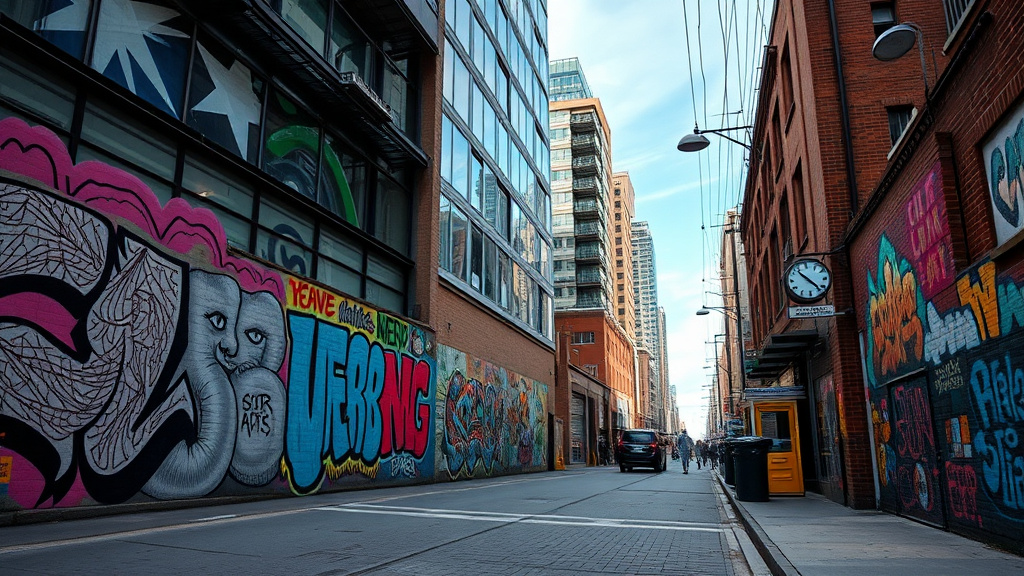
From deteriorating concrete walls to bold creative canvases, contemporary street art is transforming how communities reimagine and honor their urban environments. Once dismissed as vandalism, street art has evolved into a legitimate and celebrated form of expression that converts neglected neighborhoods into public art spaces. This article explores how skilled artists and muralists are reshaping city landscapes, building neighborhood pride, and creating powerful conversations through bold colors and powerful imagery. Discover how street art is redefining public spaces and building more vibrant and engaged neighborhoods.
The Growth of Street Art as Recognized Artistic Medium
Street art has experienced a significant transformation from being viewed as illegal vandalism to becoming a acclaimed form of creative work. Major cities around the world now engage muralists to produce expansive murals, appreciating their artistic importance and community impact. Cultural institutions increasingly display street artists alongside traditional painters, establishing the credibility of their work on the worldwide scale. This change demonstrates society’s expanding embrace for alternative creative expressions that challenge traditional boundaries and reach broad audiences in impactful fashion.
The recognition of street art stems from its real bonds to communities and potential to tackle social issues through visual narratives. Artists use street surfaces to amplify voices, showcase cultural heritage, and inspire social change. Young creatives now work in street art as viable careers, with established artists earning recognition and commercial opportunities. This evolution demonstrates how contemporary culture values artistic innovation and grassroots creativity, converting urban landscapes into vibrant environments where art serves the broader public, not just institutional patrons.
Community Impact and Community Participation
Contemporary street art acts as a potent catalyst for civic participation, uniting residents around collective creative aspirations. These colorful artworks build community bonds by transforming public spaces into meeting places where neighbors engage and work together. Street art initiatives empower local voices, elevate overlooked voices, and establish spaces for artistic freedom. Through collaborative projects and community-led installations, residents build deeper ties to their neighborhoods, fostering a sense of ownership and investment in their local communities.
Economic Benefits for Community Areas
Street art substantially enhances local economies by generating tourist traffic and foot traffic to previously overlooked neighborhoods. Bold artistic murals and public artworks bring tourists looking for genuine cultural encounters, helping area restaurants, shops, and galleries. Property values in revitalized areas typically rise as neighborhoods acquire attractive status. This economic revitalization produces work prospects for local artists, tour guides, and service providers, building lasting revenue sources that enhance local economic wellbeing and stability.
Beyond direct tourism revenue, street art drives broader economic development initiatives. Cities increasingly invest in local upgrades, infrastructure improvements, and entrepreneurial support initiatives in areas with flourishing street art cultures. Local entrepreneurs leverage artistic momentum to establish creative enterprises, from art studios to cultural centers. These economic ripple effects showcase street art’s capacity to transform disadvantaged areas into thriving cultural destinations, producing jobs and prosperity for residents.
Current Hurdles and Forward Momentum
Despite its increasing visibility, contemporary street art encounters major challenges in urban environments. Regulatory uncertainty remains a primary challenge, as artists walk the thin line between approved murals and unsanctioned works. Landowners, municipal authorities, and communities often differ on what represents acceptable public art. Additionally, conservation issues plague outdoor works, as weather, pollution, and urban development jeopardize the longevity of these creations. Funding limitations prevent many skilled creators from undertaking large-scale initiatives that could further transform neighborhoods.
Moving ahead, the future of street art relies on collaborative frameworks between artists, municipalities, and residents. Cities increasingly recognize street art’s social and economic value, driving funding in established mural zones and artist grant programs. Technology offers new possibilities, from augmented reality installations to digital archiving capturing temporary works. As communities adopt street art as legitimate cultural expression, we can expect greater policy inclusivity supporting artistic freedom while respecting property rights, ultimately creating sustainable pathways for urban transformation.
