
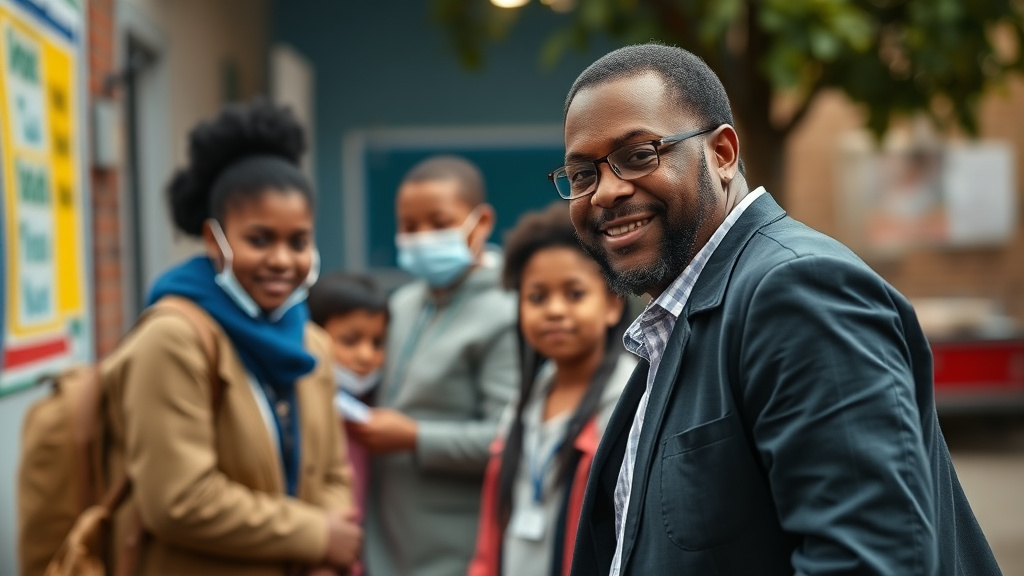
In recent years, celebrities have leveraged their influence and resources to drive positive impact in underserved communities worldwide. From funding scholarships and constructing learning facilities to opening medical facilities and research institutions, these high-profile philanthropists are transforming communities through targeted donations. This article examines how celebrity-led programs are tackling essential shortages in health and education, assessing the profound influence of these programs and the lasting legacy they’re creating for future generations.
Overview
Celebrity philanthropy has become a major driver for social change, with well-known personalities directing their resources and platforms toward enduring social progress. These efforts go well past traditional charitable donations, representing integrated plans created to tackle structural disparities in schooling and medical services. By merging monetary support and community engagement, celebrities increase visibility about pressing societal challenges while generating further backing from their large audiences and followings.
The range of celebrity-backed programs encompasses multiple interventions created to meet particular community requirements. Educational programs extend from building contemporary school facilities and supplying educational resources to creating scholarship programs that allow talented youth from underprivileged backgrounds to undertake advanced education. Healthcare programs likewise show impressive breadth, encompassing portable medical centers, mental health services, illness prevention efforts, and financial support for cutting-edge medical investigations that assists vulnerable populations globally.
What sets apart modern celebrity philanthropy is its prioritization of sustained impact over time and quantifiable outcomes rather than single donations. These programs often collaborate with NGOs, public sector bodies, and local communities to ensure programs remain effective and culturally appropriate. By emphasizing accountability and openness, celebrity philanthropists are setting new standards for ethical philanthropy while demonstrating that planned charitable efforts can create lasting benefits for vulnerable populations.
Important Information
Celebrity charitable programs have shown significant impact in closing learning divides across underserved communities. Through key partnerships with established organizations, celebrities have supported the development of up-to-date learning spaces, outfitted with advanced learning technologies and experienced educators. These commitments extend beyond infrastructure to include extensive professional development initiatives and learning program design. By supporting facilities and personnel, these initiatives create lasting learning environments that benefit thousands of students annually. The lasting consequences of enhanced learning opportunities include increased literacy rates, enhanced career prospects, and strengthened community development prospects for generations to come.
Healthcare evolution represents another essential pillar of celebrity-driven philanthropic work in underserved communities. Notable celebrities have established advanced medical facilities, traveling health centers, and telemedicine centers in remote areas previously lacking healthcare services. These initiatives deliver essential services including preventive care, maternal health programs, and treatment for chronic diseases. By merging contemporary medical innovations with community health education, these programs empower residents to assume responsibility for their wellbeing. The establishment of local healthcare infrastructure also generates jobs opportunities, stimulating economic growth while simultaneously improving public health results and decreasing avoidable fatalities.
The measurable impact of these programs reaches far beyond those directly served, producing structural shifts within local areas. Detailed data gathering and performance reviews show significant improvements in student enrollment numbers, graduation figures, and wellness measures. Celebrity involvement increases visibility and secures extra support from businesses and public institutions, multiplying the original charitable contribution. Furthermore, these high-profile initiatives inspire other famous personalities and rich donors to give substantially in community needs. The collaborative approach between famous personalities, local groups, and people in the community confirms programs remain relevant, respectful of local culture, and lasting over time, fostering genuine community empowerment and independence.
Outlook
The trajectory of celebrity philanthropy appears growing promising as more public figures recognize their potential to drive structural change. With growing awareness of educational and healthcare inequities, celebrities are expected to broaden their involvement in community development initiatives. As technology evolves, philanthropic efforts will probably become more data-focused and measurable, allowing donors to track impact far effectively. This evolution indicates that celebrity-driven programs will continue gaining momentum, inspiring both organizational support and grassroots participation in tackling global challenges.
Current developments indicate a move toward collaborative philanthropic models where public figures work alongside public agencies, civil society organizations, and business entities. These collaborative frameworks promise greater sustainability and scalability in contrast with isolated initiatives. Rising entertainment personalities, in particular, are showing dedication to sustained involvement rather than one-off donations, establishing foundations and endowments designed for generational impact. Such commitment reflects a maturation of celebrity philanthropy, converting it from charitable acts into comprehensive social investment strategies.
Looking ahead, the merger of celebrity influence with expert knowledge will likely improve program effectiveness and community outcomes. As recipient populations gain greater representation in policy decisions, charitable programs will become increasingly attuned to real requirements. The alignment of media channels, digital influence, and authentic dedication positions star-driven giving as a significant force for improvements in education and healthcare. This trend indicates that star-backed initiatives will continue to be key drivers for positive change throughout the next ten years.
