
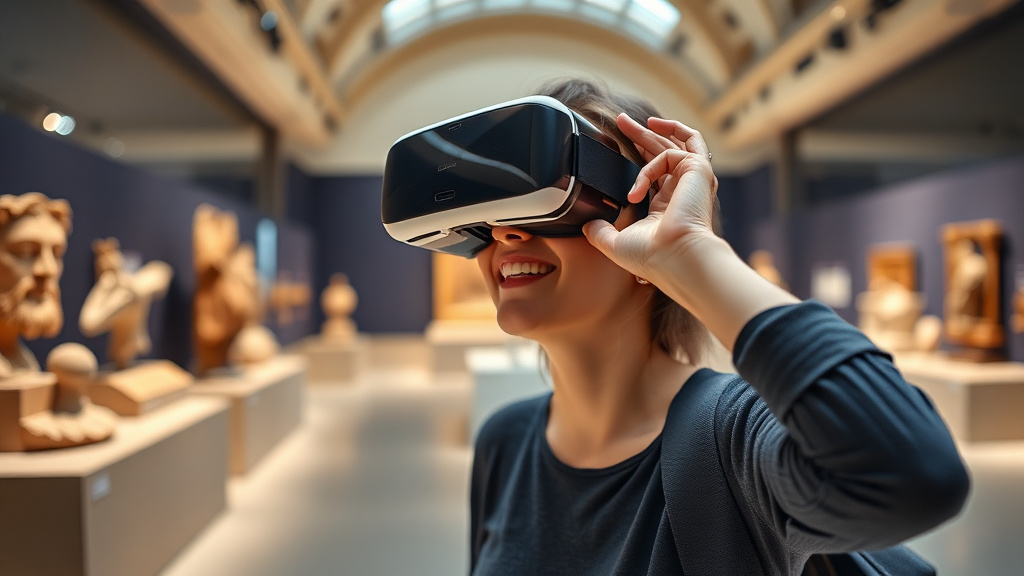
Museums across the globe are transforming the visitor experience by adopting virtual reality technology, transforming how people interact with historical artifacts and cultural treasures. From interactive historical worlds to immersive artistic displays, VR is breaking down physical barriers and making museums reachable by global audiences. This article explores how major museums are leveraging cutting-edge technology to deepen engagement, attract younger visitors, and create memorable learning opportunities that exceed traditional exhibit limitations.
The Growth of VR in Museum Exhibitions
VR technology has fundamentally transformed the museum sector, offering visitors innovative methods to interact with accounts of the past and cultural objects. Premier cultural organizations internationally have begun integrating interactive virtual reality exhibits that take guests beyond physical boundaries, allowing them to discover ancient cultures, observe significant moments in real time, and engage with artistic works in transformative fashion. This digital transformation represents a significant departure from conventional viewing practices, enabling museums to develop engaging, impactful encounters that appeal to different demographic groups and learning levels.
The adoption of VR in museum settings has shown exceptionally effective in drawing younger demographics who desire engaging and cutting-edge experiences. Museums deploying virtual reality exhibitions report increased visitor engagement, extended visit durations, and enhanced educational retention rates. By merging historical accuracy with modern technological solutions, institutions are democratizing access to cultural heritage, enabling individuals who cannot physically travel to explore world-class exhibitions. This innovation demonstrates how deliberate technology adoption can breathe new life into museums and ensure their continued relevance in the digital age.
Improving the Guest Journey
Virtual reality technology is significantly transforming how visitors experience museum collections, building engaging worlds that transcend traditional observation. By merging technological advancement with expert curation, museums are letting people immerse themselves in historical moments, examine complex features of artifacts, and become involved in their own discovery processes. This shift moves further than entertainment, fostering deeper emotional connections and unforgettable moments that promote return attendance and enhanced cultural awareness among varied populations globally.
Interactive Historical Reconstructions
Virtual reality-based historical recreations allow visitors to witness key events and daily existence from various time periods with unprecedented authenticity. Museums employ advanced 3D modeling and archaeological research to reconstruct ancient cities, medieval castles, and significant historical events. Visitors can explore these virtual environments at their own pace, examining structural elements and grasping physical dimensions that static displays fail to communicate. This engaging methodology transforms passive observation into hands-on discovery, bringing history tangible and relevant to contemporary audiences of every age group.
Interactive reconstructions also enable visitors to witness multiple perspectives of historical events, from varying socioeconomic backgrounds and diverse cultural perspectives. Museums in Europe, Asia, and the Americas have successfully deployed these experiences, substantially boosting visitor engagement metrics and learning results. Students especially gain from interactive educational activities that complement classroom instruction. These interactive environments leave enduring impressions and foster greater engagement in historical subjects, showcasing VR’s potential as a powerful learning instrument in museums and cultural venues.
Accessibility and Universal Design
Virtual reality technology democratizes museum access for visitors with mobility challenges, sight loss, and other disabilities that previously restricted their experience. Museums are creating VR applications with adjustable options, including audio descriptions, resizable text, and tactile feedback technology that deliver tactile information. These accessible features ensure that all visitors, regardless of physical ability, can completely enjoy collections and engage substantively in cultural activities. This dedication to inclusive access reflects contemporary museums’ commitment to engaging varied populations.
Inclusive VR design extends beyond disability accommodation to cater to international audiences and visitors with diverse backgrounds and expertise. Multilingual interfaces, adjustable difficulty levels, and tailored educational journeys allow each visitor to participate at a pace that suits them. Museums recognize that enhanced accessibility features help all visitors, including older guests, young children, and non-native speakers. By prioritizing inclusive design principles, institutions create welcoming environments that celebrate cultural heritage while providing fair access to information and rewarding experiences for worldwide communities.
Global Rollout and Upcoming Opportunities
Virtual reality technology has achieved significant traction among museums globally, with institutions present in Europe, Asia, North America, and additional areas adopting VR solutions to improve the visitor experience. Major museums in London, Paris, Tokyo, and New York have successfully implemented immersive exhibits that transport visitors through time and space. This global adoption demonstrates the technology’s universal appeal and effectiveness in engaging diverse audiences. As more museums expand their VR offerings, we see a significant transformation in how cultural institutions present their collections and connect with visitors across geographical boundaries.
The financial outlook for VR-enabled museums appear increasingly favorable, with visitor traffic and income creation showing strong trends. Museums report higher engagement rates and extended visit durations when VR experiences are integrated into their exhibitions. Educational institutions recognize VR’s capacity for educational enhancement, driving educational group reservations and institutional collaborations. Furthermore, VR applications create new income sources through premium ticket options and remote viewing for distant audiences. These economic benefits incentivize continued investment and innovation in virtual reality museum applications globally.
Looking ahead, developing technologies offer even more sophisticated museum experiences integrating artificial intelligence, augmented reality, and cutting-edge haptic feedback systems. Museums will likely develop more customized AI-driven VR experiences tailored to individual visitor needs and learning styles. Blockchain technology might allow digital asset ownership and NFT-based items. As VR hardware grows more affordable and accessible, museums can expand access to cultural experiences, offering top-tier displays accessible to marginalized groups. The trajectory of museums lies in fluidly integrating physical and virtual realms, creating hybrid experiences that transform visitor interaction worldwide.
