
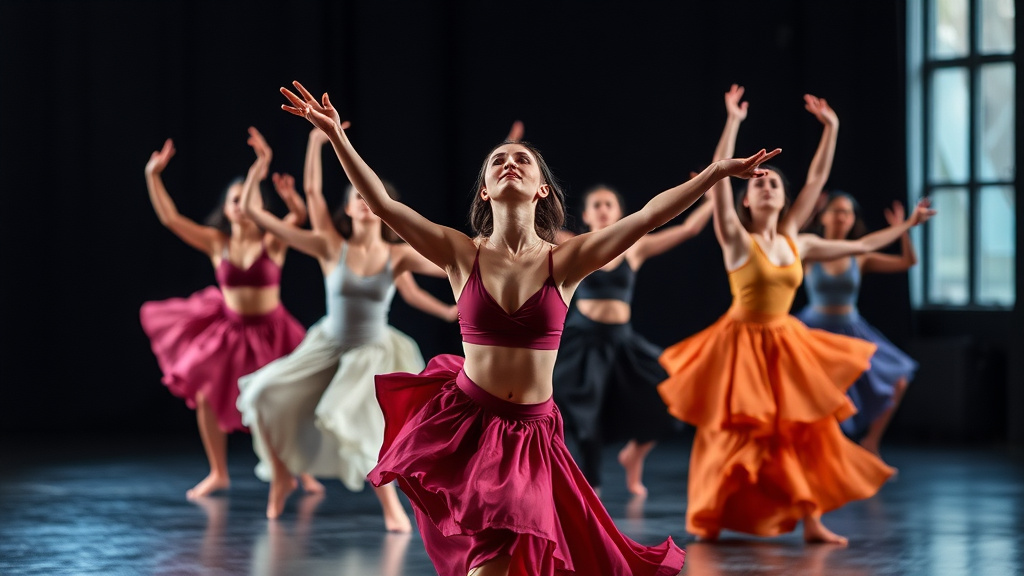
In a world where dance traditions have long been divided along geography and culture, contemporary dance companies are boldly breaking barriers by blending diverse global movements into groundbreaking performances. From merging African rhythms with classical ballet to merging Indian classical techniques with modern hip-hop, these artistic pioneers are confronting stereotypes and reimagining what dance can be. This article explores how innovative dance makers are developing compelling pieces that showcase cultural exchange, encourage mutual understanding, and prove that creative partnership transcends boundaries.
Crossing Cultural Limits Through Movement
Today’s dance companies are revolutionizing the performing arts by removing traditional barriers that have long separated dance styles along geographic and cultural lines. By strategically merging techniques from varied cultural sources, these companies create performances that reflect our increasingly interconnected world. Dancers and choreographers are moving past their cultural origins to explore unfamiliar movement vocabularies, challenging audiences to rethink established notions about authenticity and artistic ownership. This intercultural exchange transforms dance into a powerful medium for challenging stereotypes.
The evolution of hybrid dance forms goes beyond artistic innovation; it embodies a fundamental change in how we value cross-cultural dialogue. Rather than appropriating or diluting traditions, contemporary companies approach international styles with respect and deep research. Dancers dedicate years to perfecting methods beyond their own culture, working alongside masters from different cultures to ensure authenticity. This dedication to comprehending diverse traditions while creating something entirely new shows that cultural distinctions, when engaged with intention, can serve as connections rather than barriers in creative work.
Fusion as Artistic Statement
Fusion in current dance operates as a deliberate artistic methodology, not merely a passing fashion or shallow incorporation of movements. Choreographers deliberately curate elements from diverse cultural sources that align both thematically and aesthetically, combining them into unified stories. This process calls for comprehensive study, cultural respect, and creative exchange with artists from foundational traditions. The final productions honor their origins while producing entirely fresh artistic languages that resonate with contemporary audiences desiring authentic cross-cultural exchange and innovative aesthetic experiences.
When implemented with integrity, fusion choreography becomes a celebration of human creativity’s universal nature while honoring particular cultural contributions. Companies invest in learning programs, bringing in guest artists and cultural consultants to ensure dignified depiction. Performances often include program notes explaining the traditions being blended and their historical context. This transparency fosters audience understanding and appreciation for the intricate work involved in creating fusion pieces that challenge stereotypes while advancing dance as an inclusive, globally-minded art form.
- African rhythmic patterns blended into modern ballet movements
- Indian classical Bharatanatyam fused with current hip-hop choreography
- Japanese butoh techniques merged with Latin dance forms
- Middle Eastern belly dancing combined with contemporary Western styles
- Indigenous movement languages merged with experimental postmodern dance
Worldwide Influences Reshaping Contemporary Dance
The current dance landscape has undergone a significant shift as organizations steadily incorporate international artistic traditions. Movement artists are actively seeking out underrepresented movement vocabularies from Africa, Asia, Latin America, and the Middle East, integrating these diverse approaches into their creative frameworks. This international dialogue has produced pieces that embody our interconnected world, encouraging spectators to deepen their comprehension of what dance is capable of communicating and express across cultural boundaries.
This movement toward cultural synthesis has democratized dance by giving prominence to voices and traditions that were traditionally sidelined in Western performance spaces. Rather than approaching global influences as outside elements, contemporary companies are undertaking genuine exchange with originating communities, ensuring respectful representation and authentic collaboration. The result is a vibrant ecosystem where dancers and choreographers from diverse backgrounds participate on equal footing in shaping the evolution of modern performance.
Timeless Encounters Modern
The intersection of traditional and contemporary dance forms produces extraordinary possibilities for artistic innovation and cultural dialogue. When ancient movement vocabularies encounter modern choreographic sensibilities, new aesthetic possibilities emerge that celebrate roots while pushing artistic boundaries forward. Companies pioneering this fusion are demonstrating that tradition and innovation are not opposing forces but mutually enriching aspects that enrich each other, creating performances of remarkable significance and resonance.
Successful blending necessitates more than technical skill; it requires respect for cultural differences, comprehensive study, and meaningful partnerships with cultural custodians and cultural experts. Today’s choreographers are dedicating themselves to mentorships, public participation, and partnership approaches that ensure thoughtful incorporation of world dance traditions. This thoughtful approach has elevated the artistic merit of modern dance while fostering real intercultural dialogue and respect among dancers and viewers alike.
- African complex rhythmic structures strengthen contemporary ballet choreography significantly.
- Indian mudras blend into modern gesture vocabularies creatively.
- Japanese butoh influences Western contemporary movement aesthetics deeply.
- Brazilian capoeira patterns blend into hip-hop and street dance.
- Middle Eastern belly dance techniques transform contemporary bodily movement.
Impact and Future of Intercultural Dance
The effect of dance across cultures extends far beyond the stage, significantly altering how audiences understand traditions of culture and artistic expression. By observing different movement languages exist in harmony, spectators develop greater appreciation for global perspectives and reconsider their preconceived notions about cultural authenticity. These performances create powerful bridges between societies, promoting discussion and mutual respect that carries over into wider discussions about representation and inclusion in the arts.
Moving ahead, the outlook for intercultural dance looks quite promising as more funding, institutional support, and critical recognition go to convention-challenging companies. Emerging generations of dancers are developing with knowledge of varied traditions, instinctively embracing fusion methods. This shift suggests that intercultural exchange will establish itself as the default, instead of remaining exceptional, deeply altering how dance is made, presented, and encountered globally in the years ahead.
Pushing Back Against Established Practices
Traditional dance institutions have historically preserved strict categorizations, separating classical ballet, contemporary, and ethnic dance into distinct silos. Modern cross-cultural organizations actively question these conventional hierarchies by demonstrating that artistic excellence goes beyond cultural boundaries. By presenting non-Western practices as equivalent collaborators rather than peripheral inclusions, these companies push the field to reassess its established beliefs about artistic legitimacy and cultural significance in contemporary dance.
The pushback from conservative institutions exposes deeply rooted biases about what constitutes “serious” art and rigorous dance training. However, as multicultural collaborations continually earn positive reviews and audience enthusiasm, institutions are progressively reconsidering their programming and hiring practices. This shift constitutes a significant cultural moment where artistic merit increasingly supersedes conventional gatekeeping, allowing multiple voices to reshape the modern dance world lasting.
- Advancing artistic excellence through diverse partnership models and methodologies.
- Expanding training curricula to include diverse movement vocabularies and cultural contexts.
- Creating mentorship programs pairing experienced performers with rising international artists.
- Boosting financial support toward companies centering underrepresented cultural traditions.
- Creating global artist residencies enabling sustained cross-cultural artistic exchange opportunities.
