
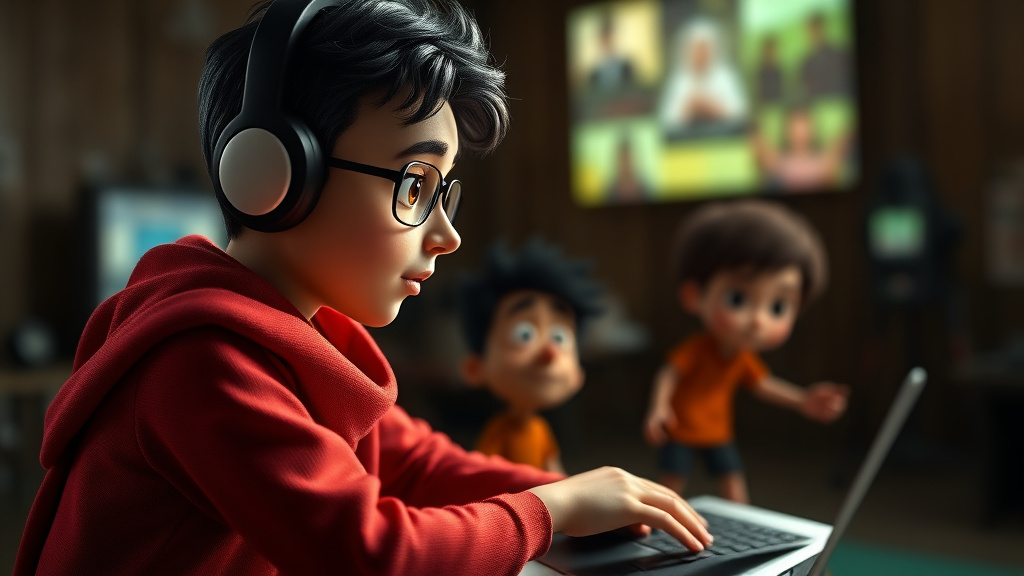
The animation industry is witnessing a seismic shift as advanced motion capture technology revolutionizes how characters are brought to life on screen. Studios globally are abandoning standard manual animation, adopting advanced platforms that capture genuine performer movement with remarkable accuracy. This revolution empowers animators to create characters with greater authenticity and expression while substantially lowering development schedules and expenses. Explore how motion capture is transforming character design, the cutting-edge systems fueling this transformation, and what this implies for the future of virtual content creation.
The Development of Motion Capture Systems
Motion capture technology has gone through a substantial transformation since its emergence in the early nineties. What began as a niche pioneering technique has evolved into an industry standard that shapes modern animation production. Early systems depended on basic marker-based tracking and restricted camera setups, producing results that typically looked stiff and unnatural. Today’s advanced motion capture systems employ hundreds of cameras, complex computational algorithms, and AI-based optimization tools that record the subtlest nuances of human movement with exceptional precision.
The advancement from optical to hybrid motion capture systems represents a fundamental shift in how studios handle character animation. Current facilities employ integrated technology platforms merging optical tracking, inertial measurement units, and live computation features. These breakthroughs have expanded opportunities to professional-grade motion capture, allowing smaller studios to match major production houses. The integration of machine learning algorithms now permits animators to seamlessly organize, improve, and adjust captured data, markedly improving the post-production workflow while preserving the authenticity that audiences expect from modern digital characters.
Enhancing Character Design Pipelines
Motion capture technology has fundamentally transformed how animation studios tackle character design and development. By capturing real-world movements from trained actors and performers, studios can now transfer authentic human motion directly into digital characters. This optimized pipeline cuts out the laborious work of manually animating each frame, allowing designers to prioritize enhancing character aesthetics, expressions, and personality traits. The result is a faster production process that shortens development timelines substantially while maintaining exceptional quality and realism in character movements.
The integration of state-of-the-art motion tracking systems into production pipelines has democratized high-quality animation production. Smaller studios can now rival major studios by tapping into affordable motion tracking technology and software solutions. Character designers enjoy the benefits of real-time feedback, allowing fast-paced revisions and creative experimentation. This progress in technology has also broadened employment possibilities for motion actors and technical specialists, creating a highly collaborative environment where traditional animators partner with motion tracking specialists to reach unprecedented levels of character authenticity and visual sophistication.
Industry Impact and What Lies Ahead
Transforming the Entertainment Landscape
The broad uptake of advanced motion capture technology has fundamentally reshaped the entertainment industry’s financial structure. Studios report considerable expense cuts and faster production timelines, enabling them to direct funding toward artistic development rather than labor-intensive animation processes. This streamlined approach has opened up advanced animation capabilities, allowing emerging creative teams to rival major production houses. Consequently, the market has experienced rapid growth of varied animation projects across digital streaming services, big-screen debuts, and digital interactive experiences, benefiting both creators and audiences worldwide.
Advanced Technologies and Adoption
The direction of capture technology stretches beyond conventional animation into immersive environments, mixed reality, and real-time gaming spaces. AI integration promises to automate cleanup processes and strengthen data analysis, further streamlining workflows. Cloud-enabled capture systems facilitate off-site teamwork between teams across borders, eliminating location constraints. Additionally, new technologies like volumetric capture and AI-powered character creation are set to transform how virtual characters are created and personalized, unlocking new creative opportunities for storytellers and developers in multiple fields.
Long-Term Vision and Creative Evolution
Looking ahead, motion capture technology will continue evolving toward improved accessibility, accuracy, and creative flexibility. Industry experts anticipate hybrid approaches combining motion capture with procedural animation and machine learning algorithms, enabling unprecedented character realism and expressiveness. As these technologies mature, ethical considerations regarding performance rights for digital characters and actor compensation will shape industry standards. The convergence of motion capture with emerging platforms suggests a future where immersive, photorealistic digital characters are virtually identical to live-action performances, reshaping entertainment possibilities.
