
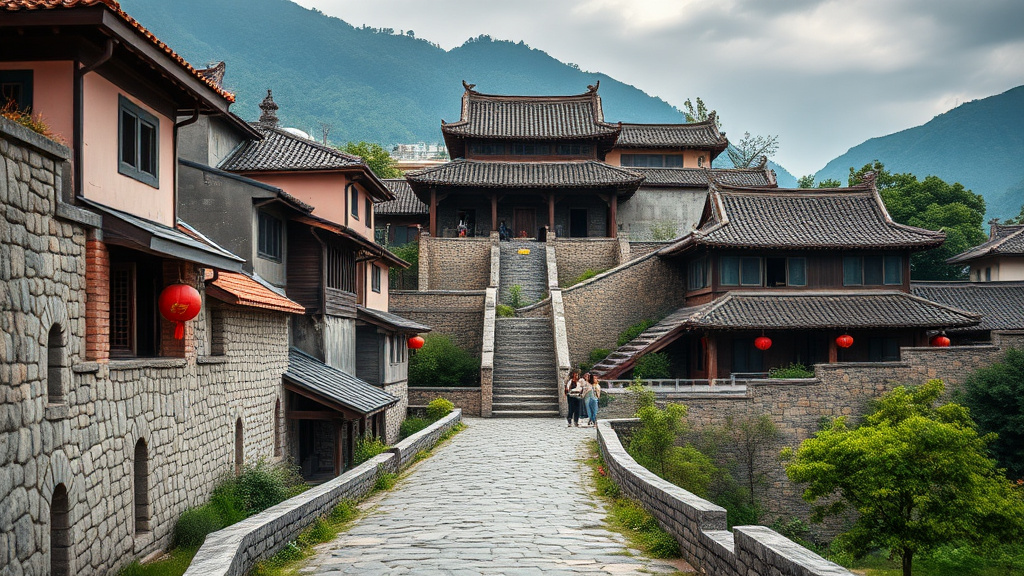
From the ancient temples of Angkor Wat to the historic thoroughfares of Dubrovnik, the world’s most valued historic sites are under unprecedented pressure. While tourism generates financial revenue and global recognition, it simultaneously threatens the fundamental character of these irreplaceable landmarks through overcrowding, environmental degradation, and unsustainable development. This article examines how popular destinations are struggling to balance preservation with accessibility, examining the mounting challenges heritage sites face and investigating creative approaches communities are implementing to protect their historic heritage for coming generations.
The Influence of High-Volume Tourism on Heritage Sites
Congestion and Infrastructure Degradation
Mass tourism has fundamentally transformed how cultural heritage sites undergo constant degradation. Heavily visited locations like Venice, Machu Picchu, and the Great Wall of China now receive millions of visitors each year, far going beyond their original sustainable limits. The ongoing stream of people accelerates erosion of ancient stones, damages delicate frescoes, and undermines structural integrity. Site managers find it difficult to establish proper upkeep plans while responding to visitor demands. This physical deterioration endangers the preservation of irreplaceable artifacts and structural elements that have persisted through centuries.
The foundational systems necessary to accommodate large numbers of visitors puts increased stress on historic locations. Parking spaces, toilet facilities, and access routes often demand intrusive development projects that modify the existing terrain and appearance of these sites. Regional wildlife endure higher pollution levels and resource use, while water aquifers become depleted from expanded facilities. These developments frequently occur without comprehensive environmental impact assessments, prioritizing short-term economic gains over sustained conservation goals and cultural heritage.
Visitor behavior presents another considerable threat to cultural heritage protection programs. Unrestricted visitor access causes damage from vandalism and graffiti, plus unintentional harm as tourists touch ancient surfaces or overlook protective barriers. Most heritage sites have insufficient sufficient staff to implement visitor rules properly. Educational programs about appropriate visitor behavior continue to be insufficient at numerous locations. Without proper management systems and visitor awareness initiatives, the cumulative impact of visitor actions produces significant preservation challenges that worsen with time.
Financial Strain and Neighborhood Displacement
Tourism revenue generates powerful motivations for rapid development around heritage sites, often emphasizing profit over protection. Local governments and private developers undertake hotel construction, shopping centers, and entertainment venues to capitalize on visitor spending. These profit-driven initiatives often conflict with heritage conservation goals, reshaping historic neighborhoods into heavily commercialized destinations. Communities work to reconcile economic development with heritage protection as property values surge and traditional residents face displacement through escalating prices and gentrification pressures.
The influx of tourism deeply changes the cultural makeup of traditional societies. Local enterprises give way to tourist-oriented venues and eateries appealing to tourist preferences rather than locals. Local languages, customs, and cultural practices diminish when communities modify themselves to satisfy outsider preferences. Authentic cultural experiences get commercialized and stripped down for widespread appeal, removing subtle cultural elements and historical significance. Younger generations relocate to metropolitan areas seeking better economic opportunities, leaving behind elderly residents unable to sustain traditional crafts and cultural knowledge transmission.
Development Pressures and Conservation Conflicts
Cultural cultural landmarks worldwide face increasing strain from accelerating urbanization and commercial expansion. Local officials and commercial developers often prioritize short-term profits over sustained conservation, generating fundamental conflicts between preservation initiatives and modernization goals. These opposing demands commonly produce compromised heritage protection policies, insufficient resources for restoration, and decisions that prioritize infrastructure expansion over site integrity and historical authenticity.
Facility Development and Site Degradation
Modern infrastructure projects including roads, hotels, and commercial facilities, are constructed near or within heritage site boundaries, leading to irreversible damage. Heavy machinery, structural vibrations during construction, and excavation activities compromise ancient structures and archaeological layers. Additionally, higher visitor numbers from people using new facilities intensifies physical deterioration of monuments, while vehicle emissions and construction materials contaminates surrounding environments, endangering both tangible heritage assets and the ecosystems that support them.
Inadequate environmental impact assessments often miss long-term consequences of development projects on cultural heritage locations. Underground utilities, parking areas, and modern amenities are commonly installed without adequate archaeological assessment, destroying invaluable artifacts and historical background. The drive to accommodate growing visitor numbers leads to inadequately planned infrastructure that compromises site authenticity, changes historical landscapes, and undermines the cultural significance that renders these locations valuable to humanity.
Reconciling Economic Development with Conservation
Communities adjacent to heritage sites experience significant economic challenges, as tourism revenue supports schools, hospitals, and community jobs. However, uncontrolled development focused on maximizing profits undermines the cultural assets creating that wealth. Sustainable solutions necessitate comprehensive approaches that allows modest economic growth while enforcing rigorous preservation requirements, environmental protections, and visitor management systems that safeguard cultural value while enabling local economic sustainability and local advancement requirements.
Robust heritage protection demands transparent stakeholder engagement involving local populations, governmental bodies, preservation professionals, and tourism providers. Establishing defined standards, upholding building codes, and carrying out mandatory heritage impact assessments can guide responsible development. Funding for learning programs emphasizing sustained financial advantages of protection supports changing outlooks from short-term profits to sustainable tourism models that generate revenue while protecting heritage assets for coming generations and sustaining genuine local ties to ancestral sites.
Solutions and Future Strategies
Tackling the issues affecting sites of cultural significance requires a comprehensive approach combining technology, regulatory measures, and community engagement. Successful preservation models show that implementing visitor capacity limits, creating targeted funding sources, and formulating detailed conservation strategies can markedly minimize adverse consequences. International heritage organizations and international organizations actively advance eco-conscious tourism approaches that emphasize heritage preservation in conjunction with economic advancement. Such approaches emphasize multi-sector cooperation, making certain indigenous populations profit through heritage tourism while safeguarding true cultural authenticity and environmental preservation for future generations.
Developing solutions employ cutting-edge tools to strengthen preservation efforts without undermining accessibility. Digital documentation through three-dimensional imaging and virtual reality experiences allows worldwide visitors to discover heritage sites carefully, minimizing physical strain on delicate buildings. Heritage conversion initiatives reimagine surrounding areas into cultural hubs, distributing tourism pressure and producing funds for conservation. Funding of local capacity building strengthens communities to steward their heritage sustainably. By blending conventional preservation techniques with contemporary solutions, destinations can achieve sustainable development that respects cultural significance while supporting prosperity and sustainability.
- Establish visitor quotas and timed entry systems to manage excessive visitor numbers effectively.
- Set up specialized preservation funding through visitor levies and international partnerships.
- Develop comprehensive heritage management plans with community participation and oversight.
- Create immersive digital environments using three-dimensional imaging and augmented reality applications.
- Fund community learning and training programs for sustainable heritage management.
